

When equipping a exercise center, the grade of the equipment is paramount. Commercial gyms experience continuous, high-volume traffic, meaning every bit of equipment must have the ability to resist arduous, day-to-day use. Purchasing durable, squat rack is not really a wise decision; it's a foundational necessity for just about any successful conditioning business. This ensures member safety, diminishes downtime for fixes, and provides a dependable experience that keeps clients coming back.
What defines heavy-use commercial gym equipment?
Commercial gym equipment is especially engineered for high-traffic settings like wellness clubs, university gyms, and qualified instruction centers. But what truly pieces it apart?

Superior Structure: Unlike home-use designs, commercial equipment is constructed with heavy-gauge metal structures, strengthened welds, and industrial-grade components. This sturdy structure enables devices like treadmills, ellipticals, and weight shelves to take care of constant function all night on end without faltering.
Increased Toughness: Every factor, from the upholstery on weight benches to the cords in energy models, is selected for the longevity. For example, commercial-grade upholstery is frequently tear-resistant and made to endure regular friction and cleaning. Also, cables are typically aircraft-grade, capable of enduring 1000s of repetitions below heavy loads.
Rigorous Screening Criteria: Suppliers put commercial equipment through extensive screening to imitate years of major use. This process checks for architectural reliability, technical consistency, and efficiency below stress. The effect is equipment that features efficiently and properly, time following day. A top quality commercial treadmill, for instance, might be tested to run for over 15,000 hours with small maintenance.
Why is robust equipment a smart investment?
Selecting cheaper, less resilient alternatives can cause substantial long-term fees and detailed headaches. Here's why buying heavy-duty equipment pays off:
Reduced Fix Costs and Downtime: Equipment created for major use requires less repairs. Data from the conditioning industry reveal that features with commercial-grade equipment knowledge significantly less downtime. Each time a machine is out of buy, it not only frustrates customers but also presents a loss of potential revenue.
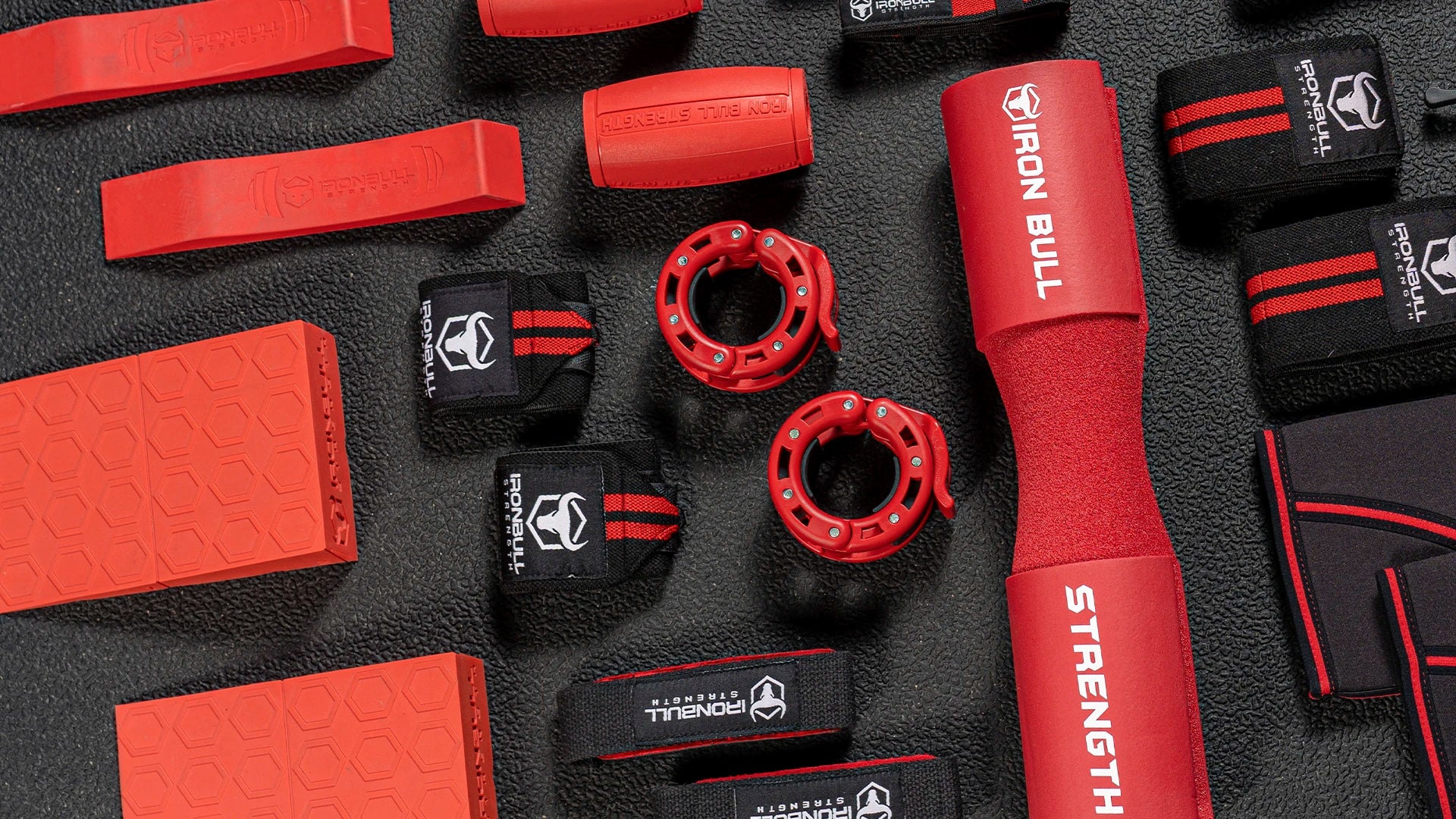
Improved Member Security and Satisfaction: The number one concern for any gym manager is member safety. Well-built equipment decreases the chance of malfunctions that may cause injury. Moreover, a gym filled with reliable, smooth-functioning products promotes the user experience, which is really a critical aspect in member retention. A study on gym member pleasure found that equipment quality was one of many top three causes for renewing a membership.
Higher Reunite on Expense (ROI): While the first cost is higher, the longevity and reliability of commercial equipment offer a much better long-term ROI. These models maintain their price longer and can endure for 10 years or more with good care, making them an intelligent economic decision for just about any critical fitness enterprise.